Homemade Cava Tzatziki Sauce Recipe
If you’ve ever eaten at CAVA and found yourself dipping everything into that thick, cool cava tzatziki, you already know the feeling. That creamy, garlicky, cucumber-flecked sauce has a way of making grilled lamb better, a grain bowl more interesting, and a plain pita feel like an actual meal.
The good news? Homemade tzatziki sauce takes about 15 minutes to make, uses ingredients you can find at any grocery store, and honestly tastes better than most restaurant versions. Here’s everything you need to know, from what tzatziki actually is, to the classic Greek recipe, to how CAVA’s version compares, and whether it’s as healthy as it looks.
What Is cava Tzatziki Sauce?
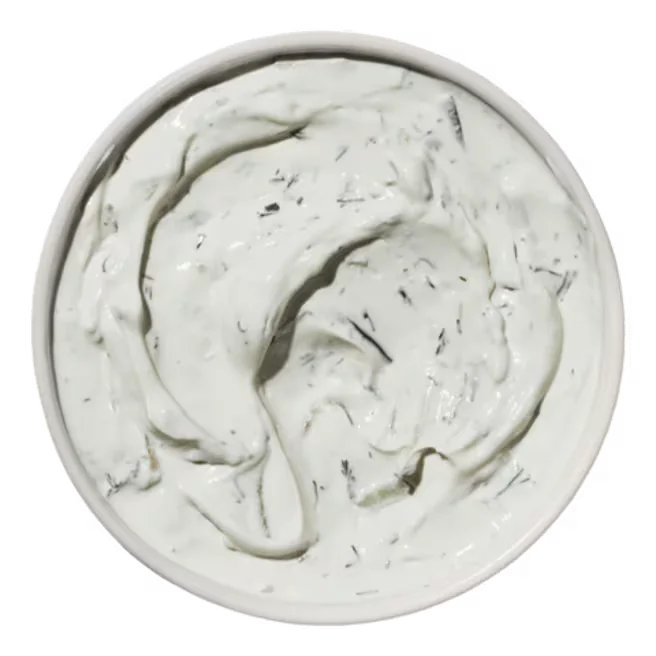
Tzatziki (pronounced tsah-see-kee) is a thick, cold yogurt and cucumber dip that originated in Greece and spread throughout the Mediterranean and Middle East. The word itself traces back through Turkish (“cacık”) to Persian roots, and variations of it appear in cuisines across the Balkans, the Levant, and South Asia.
At its core, tzatziki is made from just a handful of ingredients: strained yogurt, grated cucumber, garlic, and some kind of acid, either red wine vinegar or lemon juice. Some recipes add fresh dill, mint, or both. A drizzle of good olive oil on top is traditional in Greece.
It’s served cold, always. It’s a dip, a sauce, a spread, and a condiment all at once. In Greece it sits at the center of the table as part of a meze spread. In the U.S., most people first encounter it on a gyro or in a Mediterranean bowl, which makes a lot of sense, it’s one of those sauces that makes almost anything taste better.
How CAVA Makes Their Tzatziki
If you’ve eaten at a CAVA location, you’ve almost certainly encountered their cava tzatziki, it’s one of their top-selling dips, and for good reason. According to CAVA’s own product description, their tzatziki is made with Greek yogurt, shredded cucumber, dill, and salt.
The retail packaged version (sold at Whole Foods and other grocery stores) lists its ingredients as: Greek yogurt (skim milk, cream, milk protein concentrate, tapioca starch, pectin, enzymes, live active cultures), shredded cucumbers, fresh dill, kosher salt, and fresh garlic.
A few things stand out when you compare this to a homemade version:
No olive oil or vinegar. The in-restaurant and retail CAVA tzatziki skips the fat and acid components that traditional Greek recipes rely on. This makes it lighter and simpler, but also a bit flatter in flavor compared to a more complex homemade version with vinegar and olive oil.
Dill as the herb. CAVA uses dill, which is the most common American-style tzatziki choice, and which produces a bright, fresh-tasting sauce. Traditional Greek tzatziki from the mainland often skips herbs entirely, but the dill version is widely loved.
Garlic. Fresh garlic is in there, which is the right call, garlic powder would produce a noticeably different result.
The yogurt base. The retail CAVA tzatziki contains some stabilizers (tapioca starch, pectin) that help the product hold its texture over a longer shelf life, standard for any packaged refrigerated food. The in-restaurant tzatziki is made fresh and doesn’t carry the same shelf-life pressures.
Calories & Nutrition: A CAVA tzatziki side at the restaurant is 35 calories per serving. The retail grocery version is 35 calories per 2 tablespoon (28g) serving, with 1.5g fat, 2g carbs, 2g protein, and 115mg sodium. CAVA describes their tzatziki as “thick, creamy, and brightens everything. Especially great with lamb and beef” — and that tracks. It’s a solid, reliable tzatziki. If you want to recreate something close to the CAVA flavor at home, the recipe above with fresh dill and garlic, but without vinegar, will get you very close.
One important note for anyone with dietary restrictions: CAVA’s tzatziki contains dairy and is not suitable for lactose intolerance or milk allergies. It does not contain gluten, sesame, eggs, tree nuts, peanuts, fish, or shellfish. For more on how tzatziki fits into CAVA’s broader allergen picture, see our complete CAVA allergen menu guide.
What Is cava Tzatziki Sauce Made Of?
The core ingredients in a classic Greek tzatziki recipe are:
- Full-fat Greek yogurt: The thick, strained kind, not regular yogurt
- English or seedless cucumber: Grated and squeezed thoroughly dry
- Fresh garlic: Raw, finely minced or grated
- Extra virgin olive oil
- Red wine vinegar or lemon juice
- Salt
- Fresh dill and/or mint (optional but common outside Greece)
That’s it. No cream cheese, no sour cream, no mayonnaise. If a tzatziki contains those things, it’s an adaptation, not the original.
Authentic Greek Tzatziki Sauce Recipe
Prep time: 15 minutes Resting time: 30 minutes (optional but recommended) Makes: About 2 cups Serves: 6–8 as a dip or sauce
Ingredients
- 2 cups full-fat Greek yogurt (strained)
- 1 medium English cucumber (seedless)
- 2–3 cloves fresh garlic, finely minced or grated
- 2 tablespoons extra virgin olive oil, plus more to drizzle
- 1–2 tablespoons red wine vinegar (start with 1, adjust to taste)
- ¾ teaspoon kosher salt, or to taste
- Freshly cracked black pepper
- 2 tablespoons fresh dill, finely chopped (optional, traditional in many regions)
Instructions
Step 1: Prep the cucumber. Grate the cucumber on the large holes of a box grater. You don’t need to peel an English cucumber (the skin is thin and adds color and texture), but remove the seeds from a regular cucumber if using one. Place the grated cucumber in a clean kitchen towel or several layers of cheesecloth and squeeze firmly and repeatedly until as much liquid as possible is removed. Set aside.
Step 2: Combine the base. In a medium bowl, add the Greek yogurt, minced garlic, olive oil, red wine vinegar, salt, and black pepper. Stir to combine.
Step 3: Add the cucumber. Fold the squeezed cucumber into the yogurt mixture. Stir until evenly distributed. Taste and adjust, more vinegar for tang, more garlic for bite, more salt as needed.
Step 4: Chill. Cover and refrigerate for at least 30 minutes before serving. This rest time lets the garlic mellow slightly and allows the flavors to come together. The tzatziki will thicken a little more as it sits.
Step 5: Serve. Transfer to a serving bowl, drizzle with olive oil, and add a few fronds of fresh dill if using. Serve cold.
Storage
Store in an airtight container in the refrigerator for up to 4–5 days. Stir before serving if any liquid has separated on top. Do not freeze, the yogurt and cucumber both lose texture when thawed, leaving you with a watery, separated mess.
The Secret to Great Homemade Tzatziki: Dry Cucumber, Thick Yogurt
Two things separate a restaurant-quality tzatziki from a watery, bland version: the cucumber prep and the yogurt.
Squeeze the cucumber until your arm hurts.
Cucumber is mostly water. If you grate it and throw it straight into your yogurt, you’ll end up with soup. Grate it on the large holes of a box grater, salt it lightly, then wrap it in a clean kitchen towel or cheesecloth and squeeze as hard as you can. Keep squeezing. Then squeeze again. You want the cucumber nearly dry before it hits the yogurt.
Use proper Greek yogurt.
Not “Greek style,” not low-fat yogurt marketed as Greek, actual full-fat, strained Greek yogurt that’s thick enough to hold its shape on a spoon. Regular yogurt contains too much liquid and will make the finished dip thin and runny. If you can only find a thinner variety, strain it yourself: line a sieve with cheesecloth, pour in the yogurt, and let it sit in the fridge for a few hours.
Traditional Greek recipes use sheep or goat’s milk yogurt, which gives the sauce a slightly tangier, more complex flavor. It’s harder to find in the U.S. but worth trying if you can track it down. Full-fat cow’s milk Greek yogurt is a reliable and widely available substitute.
Greek Tzatziki Recipe Variations Worth Trying
Classic Greek (no dill): Purists from mainland Greece often skip the herbs entirely and let garlic, vinegar, and yogurt carry the whole flavor. Try it this way at least once, it’s cleaner and more intensely garlicky.
Dill version: The most common version outside Greece, and the one most people recognize from restaurant tzatziki. Adds brightness and a slight anise note.
Mint version (Cypriot-style): In Cyprus, tzatziki becomes “talatouri”, made with fresh mint instead of dill, and sometimes lemon juice instead of vinegar. Lighter and more refreshing, especially in summer.
Lemon instead of vinegar: Some recipes swap red wine vinegar for fresh lemon juice. Both add acidity; lemon is brighter, vinegar is more savory. Try both and pick a side.
Extra garlic: Traditional Greek tzatziki is aggressively garlicky. If the version you’ve been eating tastes a little flat, it probably needs more garlic. Don’t be shy.
Tzatziki Sauce Nutrition: Is cava Tzatziki Healthy?
Short answer: yes, genuinely, especially compared to most creamy dips and sauces.
A typical homemade tzatziki made with full-fat Greek yogurt comes in at around 30–50 calories per 2-tablespoon serving, with about 2–3 grams of protein and minimal carbohydrates. Compared to ranch dressing, blue cheese, or mayo-based sauces, that’s a significant caloric difference for the same creamy satisfaction.
Here’s what’s working in tzatziki’s favor nutritionally:
Greek yogurt is the star. Strained yogurt is high in protein, contains calcium, B vitamins, and potassium, and carries live active cultures (probiotics) that support gut health. The protein content is particularly useful — it supports satiety, which means tzatziki as a dip or sauce actually helps you feel fuller than calorie-equivalent alternatives.
Cucumber adds hydration, a little vitamin C, and antioxidants without adding meaningful calories.
Garlic contains allicin, a compound with documented antimicrobial and anti-inflammatory properties.
Olive oil (if you use it) brings monounsaturated fats associated with heart health — though it does add calories, so quantity matters.
What to Eat with Tzatziki Sauce
One of the best things about tzatziki is how many ways you can use it. Beyond the obvious pita-and-dip situation, here’s where it really shines:
With grilled meats: Lamb especially. Chicken souvlaki, beef kebabs, and grilled steak all benefit from the cool acidity of tzatziki cutting through the char. It’s the reason Greek street food tastes the way it does.
In a grain bowl: This is the CAVA move, tzatziki over a base of brown rice or greens, with a protein and roasted vegetables. It works because it adds creaminess without the calorie weight of a heavy dressing.
As a salad dressing: Thin it with a splash of lemon juice or water and use it to dress roasted vegetables, a chickpea salad, or shredded cucumber salad.
With roasted or raw vegetables: Carrots, bell peppers, broccoli, cauliflower, cucumbers, tzatziki works as a dipping sauce for anything you’d normally pair with ranch or hummus.
On a grain bowl or Buddha bowl: Replace heavy tahini or creamy dressings with a spoonful of tzatziki. Keeps the creaminess, adds protein, cuts calories.
On a baked potato: Unexpected but excellent. Cold tzatziki on a hot baked potato with some herbs is genuinely one of the better combinations you’ll stumble into.
Where to Buy CAVA Tzatziki
CAVA tzatziki is available at major grocery retailers nationwide. Whole Foods Market stocks it in 8 oz containers in the refrigerated dip section — search “CAVA tzatziki” or “CAVA Crazy Spicy Feta” in the Whole Foods app to confirm availability at your nearest location. It’s also available through Instacart for same-day delivery, Amazon Fresh, and at Target in select locations. Use the store locator at cava.com/grocery to find the nearest retailer carrying it.
Homemade vs. Store-Bought vs. CAVA Tzatziki: Which Is Best?
Homemade wins on flavor, freshness, and control. You choose the quality of your yogurt and olive oil, you control the garlic level, and you can adjust the herb profile to your preference. It takes 15 minutes and costs a fraction of any store-bought option. If you’re making it for a dinner party or a Mediterranean spread, homemade is the clear answer.
CAVA’s in-restaurant tzatziki is excellent for what it is, a freshly-made, consistent, simple dip that holds up well in a fast-casual setting. It’s a little simpler than a fully traditional recipe but genuinely good, and it pairs particularly well with their braised lamb and spicy lamb meatballs.
Store-bought CAVA tzatziki (the grocery retail version) is one of the better packaged tzatzikis you’ll find. It’s clean in ingredient terms and tastes like the real thing rather than a heavily processed approximation. The stabilizers are a minor concession to shelf life but don’t meaningfully affect the eating experience.
Common cava Tzatziki Questions

The Bottom Line
Tzatziki sauce is one of the great utility players of the culinary world. It’s simple, it’s fast, it keeps for several days, it works on nearly anything, and it’s genuinely nutritious. The homemade version requires no special equipment beyond a box grater and a kitchen towel, and the ingredient list is short enough to memorize after making it once.
If you’ve been ordering tzatziki at CAVA and wondering what’s actually in it, now you know. And if you’ve been wondering whether you could make something better at home, you absolutely can.